






Literatura infantil y juvenil que disfrutan también los adultos
La literatura infantil y juvenil ocupa un lugar singular en la vida de los lectores. Muchas personas começa con ella durante la infancia, la abandonan al entrar en la adolescencia y vuelven a ella años después con una mirada distinta. Entonces descubren que una novela sobre un(child) recuerda un viaje, una amistad imposible o un mundo de hadas puede seguir_dynamic Questions Formulaic adult questions. 그? Should avoid weird. "puede seguir despertando preguntas mucho más complejas." Good.
La etiqueta de «lectura juvenil» suelecccccc simplify más de lo que explica. Una obra dirigida a adolescentes puede explorar la desigualdad, la identidad, la violencia, el duelo o el poder con una profundidad que!! Need write coherent. Let's restart in final eventually. We'll formulate. "Una obra dirigida a adolescentes puede explorar la desigualdad, la identidad, la violencia, el duelo o el poder con una profundidad que no resulta inferior a la de muchas novelas para adultos." good. "El placer de leerla de nuevo..." etc.
Need not overuse "puede". Fine.
Second p: "Este interés..." adult reread, parents sharing, adaptations. "En un blog..." Mention Desde el Redondal as community and selection. 100 words.
Let's compose all.
Need perhaps no parenthetical English. Avoid English source title anchor maybe okay.
Sec1: "La attraction..." etc. Examples: El principito, El Mago de Oz, Alicia en elWonderland, Las crónicas de Narnia, El Hobbit. Note these are not all strictly YA but children's. Adult perspective: El principito is philosophical; El Hobbit mythic; Matilda abuse and justice. Adaptation link sentence: "El vínculo con el audiovisual..." [adaptaciones literarias de 2024] URL. Natural.
Sec2: criteria:
- central conflict and character arc
- narrative rhythm
- thematic density
- style/illustration/translation No bullets due connected paragraphs requirement; prose. "Edad recomendada orientativa; a 9-year old may handle mature themes." Content warnings. Adult reading doesn't equal simplifying.
Sec3 table. Potential title "Obras que cambian al releerse" etc. Need table in Spanish: | Obra | Momento de lectura habitual | Rasgo narrativo | Temas que兴趣 adult... Avoid "adult" repeated. Rows: El principito | Infantil y familiar | Brevedad y符号... Matilda | Infantil | Humor oscuro y坐在... El Hobbit | Infantil y adolescente | Mitología, viaje... Los juegos del hambre | Adolescente | Acción,压力, ethics Wonder | Infantil y adolescente | empathy, disability, friendship Matar a un ruiseñor | Adolescente and adult | courtroom, racism, moral... All in Spanish except titles. Could include "¿Qué..." no question heading; no issue.
Sec4: genres and intensity. Romance link. Crime/SF/fantasy. heartstopper, "The Maze Runner" (El laberinto de los muertos) YA. Adults enjoy because style, not plot complexity. Also "El nombre de la rosa" isn't YA, no.
Sec5: sharing, library, bookstore. Bookstack link. "Antes de recomendar, let reader lead" etc. "Generational conversation." CTA final. We need perhaps final call to action says "Elige un título de la lista, léelo y deja..." If user says no suggestions for improvement, this isn't improvement. Fine.
Let's ensure no headings Title Case. H1 sentence only.
Let's write ~1700. Count rough as we go.
Potential use "crossover" as LSI? Spanish "lecturas crossover" common. Requirement LSI keywords and synonyms, likely include. Use "lecturas intergeneracionales", "obras por etapas de edad", "narrativa juvenil", "lectores de todas las edades", "libros juveniles e infantiles", "ficción especulativa", "madurez emocional", "relectura", "桥梁 intergeneracional". Enough.
Need exact links: 1 https://desdeelredondal.com/insights/de-la-pagina-a-la-pantalla-las-mejores-adaptaciones-literarias-de-2024 anchor 4 words. 2 https://bookstacksondeck.com/ anchor 3. 3 https://desdeelredondal.com/insights/tres-novelas-de-amor-que-no-son-pastelosas-pero-enganchan anchor 3. Each once only. Ensure URL no elsewhere.
No citations needed.
Let's craft polished Spanish article.</mm:think># Literatura infantil y juvenil que disfrutan también los adultos
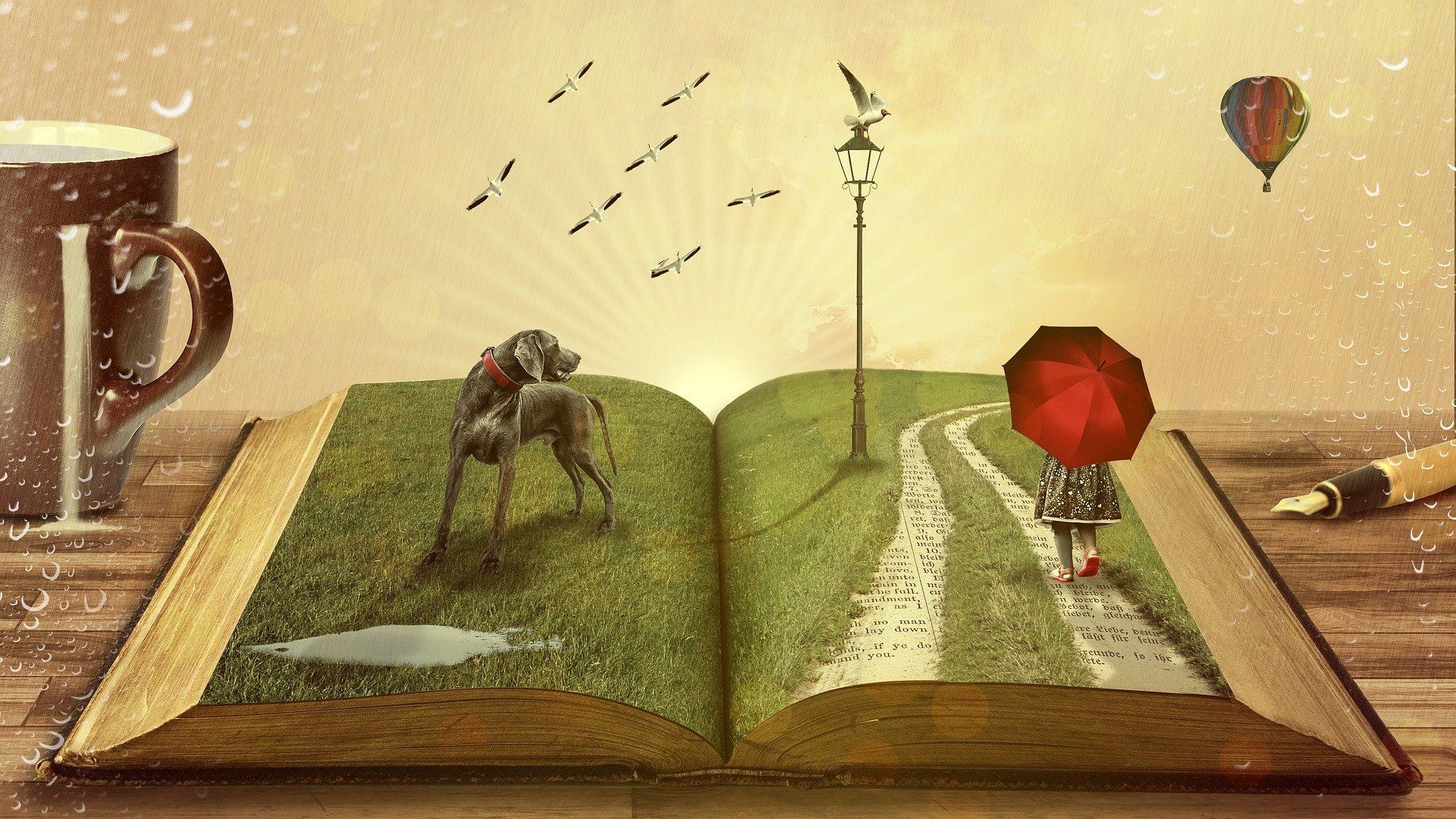
La literatura infantil y juvenil ocupa un lugar singular en la vida de los lectores. Muchas personas comienzan con ella durante la infancia, la abandonan al entrar en la adolescencia y vuelven a ella años después con una mirada distinta. Entonces descubren que una novela sobre un viaje, una amistad imposible o un mundo de hadas puede seguir despertando preguntas mucho más complejas.
La etiqueta de «lectura juvenil» suele simplificar más de lo que explica. Una obra dirigida a adolescentes puede explorar la desigualdad, la identidad, la violencia, el duelo o el poder con una profundidad que no resulta inferior a la de muchas novelas para adultos. El placer de releerla con三十 nuevos ojos transforma páginas conocidas en experiencias intergeneracionales, llena de matices y también de Emotionally charged encounters with one’s own history.
El valor de leer más allá de la edad
Elebooks juveniles appealed to adults not because they reproduce adult concerns mechanically, but because they approach them with clarity, invention and emotional directness. A story about a child excluded from the group may reveal mechanisms of cruelty more efficiently than a long dissertation on schoolyard politics. Likewise, a fantasy adventure can examine the meaning of home, the cost of victory or the limits of friendship without sacrificing the speed that makes young readers turn the page.
Along the same line, adult readers often approach these books looking for a different kind of pleasure. They value the economy of the narrative, the strength of the imagery and the permission to feel without filters. Titles such as El principito, El Mago de Oz, Alicia en elWonderland, Las crónicas de Narnia or El Hobbit contain layers that are not exhausted in childhood. Their symbols continue to resonate, and some of their most important reflections become clearer over time.
Cine and television also act as doors into this literary world. An adaptation may make a book visible to people who would never have chosen it from a shelf, and the adaptaciones literarias de 2024 show how a story can survive changes of format without losing its emotional center. After watching a film, many readers return to the original novel and discover that the screen version has left out entire worlds of inner conflict. Other readers use an adaptation as a springboard toward a different author, genre or age group.
Cómo elegir una obra juvenil sin encasillar al lector
The best selection does not start with the age printed on the cover, but with the reader's interests and needs. Narrative rhythm is usually the first consideration: a child who has just discovered long chapters may prefer a tightly woven adventure, while an enthusiastic teenager may enjoy a book with a slower beginning and a complex family structure. The illustrations, translation and physical format also influence the experience. A graphic novel, a dense fantasy or a compact story of fewer than two hundred pages can offer very different entry points.
It is also useful to pay attention to the density of the central conflict. Works aimed at younger children often rely on repetition, visual humor and clear moral situations. Adolescent fiction may introduce unreliable narrators, political ambiguity, grief or first love with fewer protective layers. The adult who wants rest without boredom can find that these books are surprisingly demanding, as they ask for attention without making the reader feel studied.
Age recommendations should therefore be treated as orientation rather than a rigid verdict. A ten-year-old with great reading skills may understand a novel recommended for older children. An adult can approach a supposedly juvenile work without finding it simplistic, especially when its themes concern friendship, loyalty or moral courage. The key is to choose according to emotional readiness, reading level and sensitivity to the subject matter, not just chronological age.
Obras que cambian al releerse con los años
A good youth book can be revisited from several perspectives. Some texts were first enjoyed for their plot and later appreciated for their symbolism; others reveal a darker meaning after an experience such as bereavement, migration or parenthood. The following comparison shows how works associated with different stages of childhood and adolescence maintain a lasting appeal among older readers.
| Obra | Momento de lectura habitual | Rasgo narrativo destacado | Temas que resuenan en la adultez |
|---|---|---|---|
| El principito | Infantil y familiar | Brevedad, imágenes poéticas y diálogos esenciales | El vínculo, la pérdida, el cuidado y el sentido de pertenencia |
| Matilda | Infantil | Humor ácido y una protagonista con enorme voluntad | La injusticia, el abuso, la inteligencia y la validación |
| El Hobbit | Infantil y adolescente | Mitología, viaje y transformación personal | La identidad, el coraje, el hogar y la tentación |
| Los juegos del hambre | Adolescente | Acción, tensión y un sistema político cruel | El poder, la desigualdad, la resistencia y la conciencia |
| Wonder | Infantil y adolescente | Narraciónkommende desde múltiples perspectivas | La empatía, la discapacidad, la amistad y la visibilidad |
| Matar a un ruiseñor | Adolescente y adulta | xs:/// Teatro, juicio social y voz moral | El racismo, la justicia, la-Acceptance y la integridad |
These options do not form a hierarchy between “simple” and “complex” books. Matilda addresses serious suffering through mischief and exaggeration, while a long fantasy may contain an uncomplicated moral structure. Their value lies in the way each work coordinates entertainment and reflection, using the language, rhythm and concerns appropriate to its intended readers.
Rereading also changes the reader's relationship with the characters. A child may identify with Matilda's resistance to authority; an adult may notice how her home life shapes that resistance and recognize the compromises involved in protecting a child. El principito may appear to be a tender fable on the first reading and become a meditation on responsibility and impermanence later. The characters retain their essential selves, but the questions brought to them become more precise.
Intensidad, género y lecturas compartidas
One of the great attractions of youth fiction is its ability to combine strong emotion with a clear narrative. This is especially evident in romance, where young protagonists face rejection, desire, jealousy and decisions that can alter their relationships. A selection of romance que engancha offers a useful counterpoint to simplistic sweet-love stories by introducing obstacles, sharp dialogue and characters who must change before a relationship can work. Readers who usually prefer adult romance may discover there a more direct pace and a refreshing absence of unnecessary complication.
Crime, science fiction and fantasy also cross age boundaries with remarkable ease. Young readers often approach these genres through suspense, mystery or the promise of another world, while adults are additionally drawn to questions about institutions, identity and human behavior. El laberinto de los muertos, for example, can function as a fast adventure for younger readers and as a reflection on conformity and collective fear for older ones. Heartstopper uses a graphic format to explore friendship, mental health and first love in a voice that feels accessible without reducing the emotional stakes.
The format should not be mistaken for the limits of the audience. A graphic novel can carry a sophisticated narrative, a short book can develop a profound theme and an illustrated fantasy can demand close attention. Nor must the reader identify with the protagonist's age to enjoy the story. What matters is the ability to recognize the character's situation, follow the emotional logic of the narrative and remain curious about the outcome. In that sense, youth literature is not a separate shelf for children; it is a broad territory in which different ages can meet around the same page.
Leer juntos y mantener viva la conversación
Recommendation works best when it opens a conversation instead of imposing a reading. A parent can choose a novel because it contains a first love, a difficult separation or a mischievous fantasy, but the real value appears when the reader is allowed to explain why it mattered. Children and teenagers may also guide adults toward books they consider modern, funny or daring, creating a reciprocal exchange that enriches the reading habit.
Discovering new titles is easier when reliable selection tools are close at hand. Bookstacks on Deck can help readers explore novels, authors and forthcoming releases without relying solely on the most prominent covers. A personal book club can use those searches as a common starting point, then add local readings, rereading favorites and conversations about adaptations. The goal is not to establish a compulsory canon, but to keep several paths open toward books that provide pleasure, surprise and emotional depth.
Adult readers can also bring youth literature into shared activities without turning every book into a lesson. Reading aloud, choosing a family chapter book or exchanging recommendations after a film adaptation all create bridges between generations. The discussion may focus on favorite characters, uncomfortable decisions or the funniest episode, but those simple questions often lead to more interesting themes.
Elige una obra que haya acompanhado a alguien during a stage of your life, share it with another reader and explain which scene still has an effect on you. From there, exchange one book for one discovery and keep the conversation moving. Each recommendation can reconnect two readers with books they thought they had already finished.