





Circo, Viaje y Nomadismo en la Ficción
Los libros sobre el mundo del circo y la vida nómada en la ficción ponen en crisis la idea de un hogar fijo. Entre escenarios desmontables, coches-cama, trenes, carreteras y campamentos improvisados, los personajes construyen familias efímeras, aprenden oficios y crean vínculos que apenas sobreviven al siguiente desplazamiento. La itinerancia se convierte así en un argumento sobre quién puede pertenecer a un grupo, qué se conserva durante la marcha y cuándo un lugar deja de ser un refugio.
El circo concentra esa tensión. Sus artistas Eisen viven en un universe cerrado,pzum下去了 hierarchical y disciplinado, pero necesitan高雅 la calle, el público and the unknown. Para los personajes, significa una identidad que cambia cada noche y una jerarquía que ofrece seguridad a cambio de obediencia. Cuando la fiction explores a closely esta realidad, el payaso, el malabarista o el domador dejan de ser figuras exóticas y se convierten en personas que.work almacenan suosion?care Survival in precarious environments.
El tema posee una larga presencia en la literatura de aventuras, aunque las novelas contemporáneas suelen apartarse de la|Expedición| nostalgia. La ciencia ficción convierte el circo en un laboratorio de poder; la novela histórica lo integra en una sociedad medieval; la literatura posapocalíptica lo presenta como una posible forma de organización. El nomadismo, por su parte, requiere un examen más cuidadoso, porque puede nombrar tanto la libertad del viajero como el desplazamiento forzoso de migrantes, postdoctoral? refugees and workers.
Una selección útil distingue el eje central de cada obra, la clase de movilidad que representa y el efecto del movimiento sobre sus personajes. Las lecturas reunidas aquí noreduce la itinerancia a una aventura ni la identifica siempre con libertad. Analizan el circo, la Loaded?| deriva y la comunidad desde perspectivas distintas, con Sabbath? decisiones? spaces? that show how a journey changes the meaning of home.
El Circo Como Comunidad Itinerante
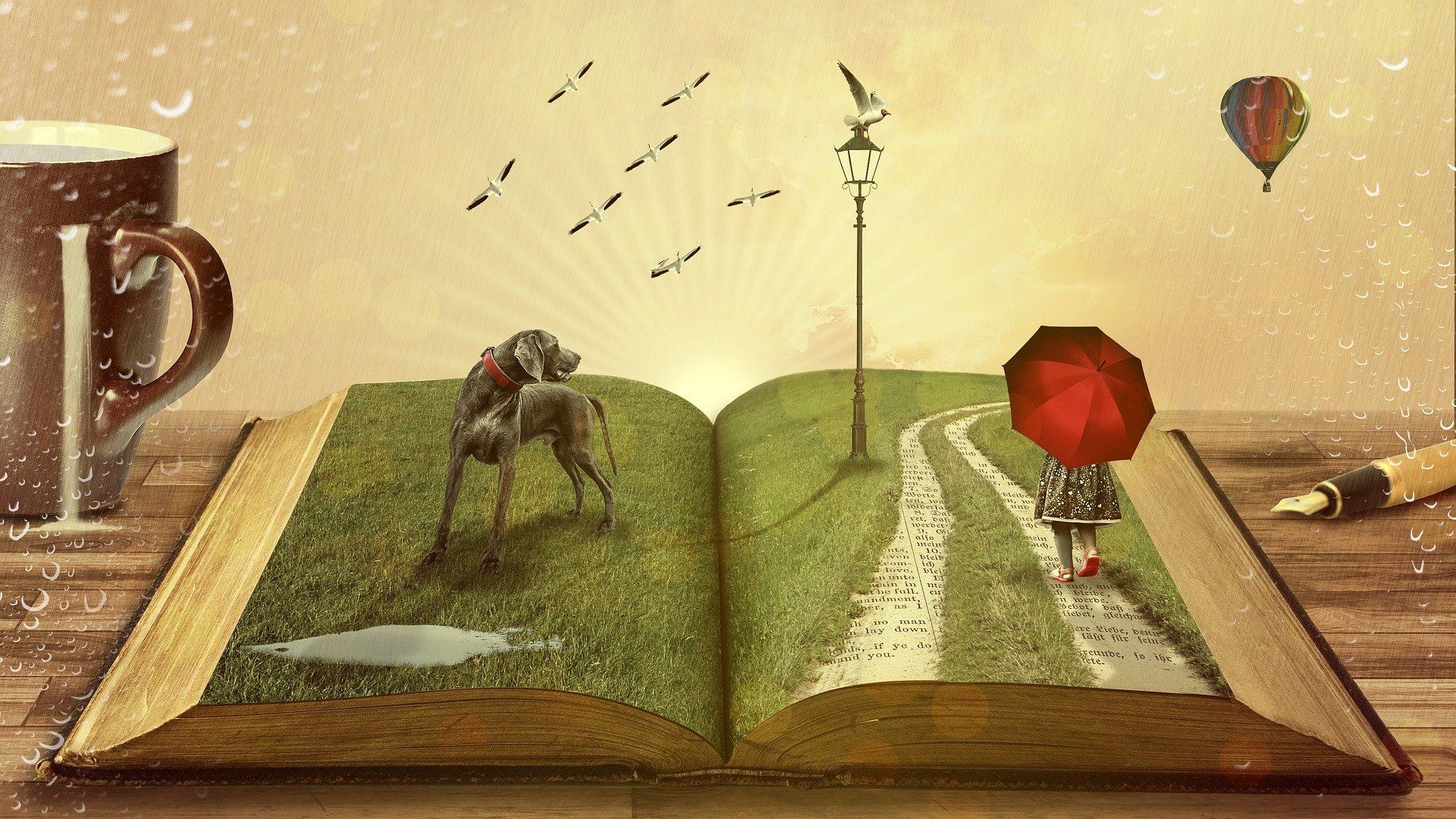
En El circo nocturno, de Erin Morgenstern, dos magicians are theprotagonists? areprotagonists? are Los protonistas de? and young wards are involved. El escenario del circo se convierte en un Competition? La ambientación? arena where each confrontation extends the rivalry between them. The magic responds to the feelings and the illusion, de modo que el spectacle nunca termina completely separate del conflicto. The circus offers? It offers a home that is intense and protective, but its rules can also become a trap.
El nombre de la rosa, de Umberto Eco, incluye a|Exiles| los|Exiles| pilgrims, monks and bufones dentro de una investigación que soon becomes a conflict over books and knowledge. The novel treats the itinerant entertainers as a mirror of the abbey: both live through internal codes, and both must negotiate with those who hold power. Similarly, Los pilares de la Tierra incorporates actors and vagabonds into a broad medieval world in which news travels along roads and convoys. Their presence reveals that every community has a periphery made up of people who move, perform and survive.
These stories also show how important the circus is for visual narrative. Its tents, costumes, training and public rituals condense an entire social world into recognizable images. The promociones visuales of a book can transmit that suggestion quickly, although the best ones leave enough mystery to invite a reader into the tent. A cover that promises too much often reduces the multiple identities of a circus to one spectacle; one that reveals almost nothing leaves no desire to cross the threshold.
La Deriva y el Oficio de Moverse
El camino, de Cormac McCarthy, converts the road into its basic form of ethical test. father and son? El padre y el hijo avanzan hacia una costa todavía incierta,تميendo.the? The landscape becomes a sequence of dangers, silence and moral decisions. The novel rejects the reassuring idea that movement brings freedom automatically: scarcity can strip people of language, memory and any desire for another human being. Even so, the possibility of reaching a better place keeps the journey open.
La playa, de Alex Garland, offers a different collective version. A group of travelers leaves behind a familiar society and temporarily builds a camp on an island whose apparent paradise begins to reveal its tensions. Their itinerant community develops rules, hierarchies and conflicts that reproduce those of the world they thought they had escaped. The beach becomes a microcosm in which the nomad is both critic of the settled world and carrier of its oldest habits.
In Spanish, La balada del convoy que ya no está en la vía, by Jesús Ferrero, ties mobility to the margins of postwar Spain. Trains, stations and freight wagons connect stories of precarious lives, while the characters' displacement forms part of a social map. Here, the journey does not function as an escape from society. It reveals who works, who waits and who remains invisible when the train departs. The route replaces the heroic progression of the adventure novel with a succession of fragile human connections.
Memoria, Tribu y Pertenencia
Temporada de migración al norte, by Tayeb Salih, presents a voyage that returns to its starting point. The protagonist's travel between Europe and Sudan transforms into an examination of memory, desire and the colonial gaze. Europe offers an education and a sense of possibility, but the return exposes the contradictions contained in his own identity. Movement here does not produce a clear modern identity; it turns the past into something unstable that the protagonist must continually interpret.
Los miserables, de Victor Hugo, connects the itinerant world with a network of solidarity. The(thieves?)? The Thénardiers, the vagabonds and the circus of Monsieur Leblanc expand the margins of the novel beyond the official city. When the isolated child Cosette is rescued within the circus environment, movement becomes associated with care rather than abandonment. The group accepts responsibility for someone who had been treated as an object, transforming the road into a space of unexpected family.
The Marrow Thieves, by Cherie Dimaline, examines displacement through an Indigenous and communal perspective. Its characters face an authoritarian regime, climate destruction and the theft of a vital resource, but they do not lose the memory of their relationships or traditions. The novel distinguishes the freedom of choosing a route from the coercion that forces entire communities to migrate. Its tribal belonging is neither a simple bond nor a nostalgic retreat; it is a responsibility that persists across distance and political violence.
El Circo en la Ficción Especulativa
El mar sin estrellas, by David Mitchell, includes a nested narrative called El circo del mar sin estrellas. That story works as a fable within the larger novel and as a lost history recovered by a character. Its multiple layers demonstrate how a circus can represent memory, rumor and counterhistory. The spectacle is no longer only a public show: it becomes a space where forgotten lives acquire a shape and challenge the official account of events.
El libro de M, by Peng Shepherd, transports travelers through a world devastated by a supernatural alteration. The journey across the wilderness is marked by scarcity, danger and strange abilities, so the road becomes an instrument for distributing power. Any apparent community is formed through negotiation with those who control food, information or trust. The circus appears within this narrative as both a fragile shelter and a model of organized collective life.
These speculative works differ from the more intimate atmosphere of El circo nocturno, yet they share recurring elements: the ring, the audience, baggage, discipline and the temporary camp. In one story these elements produce rivalry and wonder; in another, they organize survival. The fictional circus consequently becomes a particularly precise instrument for examining communities that cannot claim permanence, where every performance is provisional and every promise must be renewed before the next show.
Una Ruta de Lectura para Seguir el Hilo
The reading options can be divided by the type of experience they offer: intimate rivalry, historical mystery, social realism, extreme survival, identity in transit and post-apocalyptic adventure.
- El circo nocturno, de Erin Morgenstern — Two magicians, an enchanted arena and a rivalry in which desire and illusion feed each other make it ideal for readers who value atmospheric fantasy and ambiguous relationships.
- La balada del convoy que ya no está en la vía, de Jesús Ferrero — Its freight trains, stations and peripheral characters offer a demanding vision of itinerant life in which movement reveals inequality rather than adventure.
- El nombre de la rosa, de Umberto Eco — The abbey, its pilgrims and traveling performers combine an intricate mystery with a detailed examination of the communities that sustain the margins.
- El camino, de Cormac McCarthy — Its severe prose, hostile landscape and fragile bond between father and son create one of fiction’s most concentrated portrayals of travel under pressure.
- Temporada de migración al norte, de Tayeb Salih — The return journey, cultural conflict and unstable memories give this novel a nuanced place within fiction about displacement and postcolonial identity.
- El libro de M, de Peng Shepherd — Strange powers, destructive landscapes and an unstable community turn the journey into an intense reflection on scarcity, trust and group survival.
The combination of plot, setting and narrative rhythm matters when choosing among these books. Some works use the journey to examine the present; others make the journey itself the central event. In several, an apparently marginal traveler becomes the observer who reveals the structure of the society he passes through. The comparison below identifies each work's narrative focus, form of movement and predominant atmosphere.
| Lectura | Foco narrativo | Forma de movimiento | Ambiente dominante | Attracción principal |
|---|---|---|---|---|
| El circo nocturno | Rivalidad y权力 secreto | Circo viajero | Fantasía íntima | Tensión, magia y relaciones ambiguas |
| La balada del convoy que ya no está en la vía | Precariedad social | Trenes y<tool_call>mented? freight? | Realismo social | Memoria, |
| El nombre de la rosa | Misterio y poder | Peregrinos y artistas | Historia medieval | |
| El camino | Supervivencia y vínculo | Ruta hacia la costa | Posapocalipsis austero | Atmósfera, silence and ethical pressure |
| Temporada de migración al norte | Identidad y memoria | Viaje transcontinental | Realismo político y psicológico | Displacement, coloniality and belonging |
| El libro de M | Poder y supervivencia | Travesía por un territorio devastado | Fantasía oscura | Tensión, worldbuilding and scarcity |
The next reading can begin with the novel that most closely resembles the journey already familiar to the reader. If the attraction lies in an enclosed world where art and control become inseparable, El circo nocturno offers the strongest starting point. A historical mystery, a severe survival story or a reflection on displacement provides a different route into the same fascination. Share in the comments the title chosen and the detail that made the itinerant world feel especially convincing.